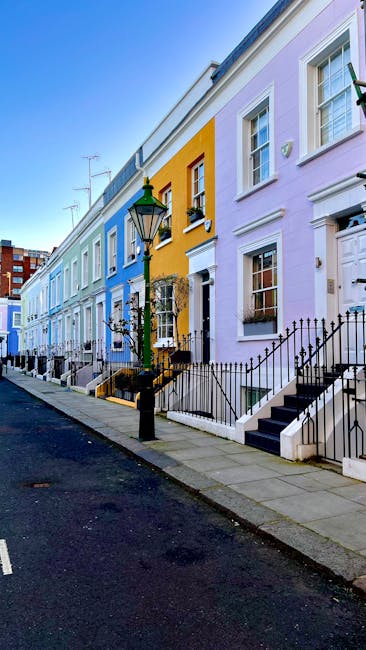
Kensington end of tenancy cleaning Earls Court and W8 flats: a practical guide for a smoother move-out
Moving out of a flat in Kensington, Earls Court, or the W8 area is rarely just a matter of packing boxes and handing back the keys. There is always that last stretch where the place needs to look properly cared for again. Smudges on the oven door, dust behind radiators, marks around skirting boards, and carpets that suddenly seem to show every footprint, every bit of life. That is where Kensington end of tenancy cleaning Earls Court and W8 flats becomes more than a nice-to-have. It can make the difference between a stressful checkout and a clean, professional handover.
This guide breaks down what end of tenancy cleaning actually involves, why it matters in local flats, how to approach it properly, and where people most often go wrong. You will also find a checklist, a comparison table, and a realistic example from a typical Kensington move-out. No fluff. Just the things that genuinely help when time is tight and expectations are high.
Table of Contents
- Why Kensington end of tenancy cleaning Earls Court and W8 flats Matters
- How Kensington end of tenancy cleaning Earls Court and W8 flats Works
- Key Benefits and Practical Advantages
- Who This Is For and When It Makes Sense
- Step-by-Step Guidance
- Expert Tips for Better Results
- Common Mistakes to Avoid
- Tools, Resources and Recommendations
- Law, Compliance, Standards, or Best Practice
- Options, Methods, or Comparison Table
- Case Study or Real-World Example
- Practical Checklist
- Conclusion
- Frequently Asked Questions
Why Kensington end of tenancy cleaning Earls Court and W8 flats Matters
End of tenancy cleaning is about returning a property in a condition that matches the tenancy agreement, fair wear and tear aside. In practical terms, it means giving the flat a deep, methodical clean so it is ready for inspection, for the next occupier, and for the landlord or letting agent to assess properly. In a busy area like Kensington and Earls Court, where flats are often compact, well-used, and part of managed blocks, the details matter more than people expect.
Let's face it: a flat can look tidy and still fail a checkout inspection. A quick surface clean is not the same thing as a proper end of tenancy clean. Limescale in bathrooms, grease in kitchen cupboards, dust on light fittings, dried-on marks on appliances, and neglected edges around floors all tend to be noticed at the worst possible time. If you have ever walked into a flat at 8:30 in the morning, with sunlight hitting every corner, you will know exactly how unforgiving it can feel.
For tenants, the goal is simple: leave the property in strong condition and reduce avoidable disputes. For landlords and agents, the goal is consistency and a move-in-ready standard. For everyone involved, a clean result helps the handover feel calm instead of awkward. That may sound minor, but on moving day, calm is gold.
If you want to understand how this sits within the wider property landscape in the area, the article on real estate in Kensington and how homes are marketed offers useful context. Move-out standards are part of the bigger picture, especially in neighbourhoods where presentation really counts.
How Kensington end of tenancy cleaning Earls Court and W8 flats Works
A proper end of tenancy clean is usually more detailed than a standard domestic clean. It is closer to a reset. The aim is not simply to make the flat look decent from the doorway, but to clean the areas that a thorough inspection is likely to cover. In many cases, that includes inside and outside cupboards, appliances, bathroom fittings, skirting boards, light switches, doors, windows where accessible, and carpets or hard floors.
The process often begins with a walk-through to identify problem areas. A good cleaner will look at the kitchen first because that is where most disputes start. Oven trays, extractor fans, splashbacks, fridge shelves, cupboard interiors, and hob surfaces all need attention. Bathrooms follow next, because soap scum and limescale build up surprisingly fast in London flats, especially where water usage is high and ventilation is not perfect.
Bedrooms and living rooms are usually more straightforward, but they still need careful attention. Dust collects behind furniture, in corners, on tops of wardrobes, and along radiator edges. Windowsills, frames, curtain rails, and skirting can be the little things that make the difference. The job may sound repetitive. It kind of is. But the repetition is the point.
When carpets are involved, many tenants also choose to pair the clean with specialist treatment. For example, our carpet cleaning services in Kensington can be helpful where staining, heavy foot traffic, or pet use has left the flooring looking tired. And if you want a broader picture of available options, the services overview gives a good sense of how the different cleaning types fit together.
To be fair, not every flat needs the same level of work. A recently maintained one-bedroom apartment near Earl's Court may only need a focused deep clean and carpet refresh. A larger W8 flat that has housed a family, pets, or a long-term tenancy will usually need a more comprehensive approach. The best results come from matching the clean to the actual condition of the property rather than guessing.
Key Benefits and Practical Advantages
The first benefit is obvious: better chances of passing inspection without avoidable cleaning disputes. But there are several other practical advantages that matter just as much, especially in a competitive London lettings market.
- Less stress at checkout: You are not rushing around the night before with a cloth and a bottle of spray trying to do everything at once.
- Cleaner handover: Agents and landlords usually respond better when a property is presented properly.
- Better first impression for the next tenant: A fresh, well-cleaned flat feels looked after.
- Reduced risk of avoidable deductions: Cleaning disputes are among the most common friction points at the end of a tenancy.
- More efficient move-out day: You can focus on removals, key return, and final checks rather than last-minute scrubbing.
There is also a quieter benefit that people sometimes overlook: a proper clean helps you notice damage before handover. A cracked tile, a loose handle, a missing bulb, or a stained patch of carpet is much easier to spot once surfaces are clear and the flat has been properly reset. That gives you time to deal with it calmly rather than after the keys are returned. Which, honestly, is a much nicer place to be.
For tenants who are also thinking about their next home, it may help to read Kensington: is it home material?. It is not a cleaning guide, but it does speak to the lived-in reality of the area and the kind of homes people tend to move between.
Who This Is For and When It Makes Sense
End of tenancy cleaning makes sense for more people than you might think. It is not only for tenants who have been in a flat for years and left it in a bit of a state. It is also for short lets, corporate tenants, sharers, renters with pets, and anyone who wants to avoid a last-minute scramble before checkout.
You are probably a good fit for this service if you are:
- moving out of a rented flat in Kensington, Earls Court, or W8
- handing back keys to a landlord or letting agent
- trying to recover most or all of a security deposit
- managing a tenancy changeover on a tight schedule
- preparing a property for re-letting or sale
- dealing with carpets, upholstery, or appliances that need more than routine cleaning
It also makes sense when time is limited. If you are packing, arranging removals, returning broadband equipment, and trying to find a missing charger all at once, the cleaning task tends to get squeezed. That is when a structured approach really helps. Sometimes the issue is not that the flat is filthy; it is just that no one has the energy left to do a proper job. Understandable, really.
People considering move-out support often also look at related services such as end of tenancy cleaning in Kensington, domestic cleaning in Kensington, and house cleaning services in Kensington when the property or schedule needs a bit more flexibility.
Step-by-Step Guidance
If you are handling the clean yourself, or simply want to understand what a professional clean should cover, this step-by-step outline is a helpful baseline. It is not glamorous. It is just how a good move-out clean gets done.
- Read the tenancy agreement carefully. Check any cleaning clauses, carpet expectations, and checkout requirements. If there is a move-out inventory, use it as your roadmap.
- Remove personal items first. Empty cupboards, wardrobes, fridge shelves, bathroom cabinets, and any tucked-away storage spots. Cleaning around boxes is a false economy.
- Start at the top of each room. Dust light fittings, shelves, curtain poles, picture rails, and cupboard tops before tackling lower surfaces.
- Work room by room. Finish one area properly before moving on. This prevents the classic half-cleaned, half-packed chaos.
- Deep clean the kitchen. Focus on oven interiors, extractor fans, sink fittings, splashbacks, cupboard fronts, and appliance interiors.
- Sanitise bathrooms thoroughly. Remove limescale, clean grout where needed, wipe seals, and make taps, screens, and basins shine.
- Attend to floors. Vacuum carefully, mop hard floors, and arrange carpet cleaning if the condition requires it.
- Check windows and touchpoints. Window tracks, handles, switches, and doorframes are small details but they are often noticed.
- Do a final inspection in daylight. If possible, use natural light. It shows what artificial lighting hides.
- Document the condition. Take clear photos after cleaning in case you need a record for handover.
A sensible clean has rhythm. Tackle the messiest areas first, then polish the detail. If you leave the oven until the end, it will hang over you the whole time. Not ideal.
Expert Tips for Better Results
A lot of move-out problems come from small oversights rather than big disasters. These are the details experienced cleaners tend to look for first.
1. Do not forget hidden edges
Behind toilets, along skirting boards, under radiators, around bin cupboards, and under appliances are common weak spots. A flat can look fine until you kneel down and actually check the corners. That is where the story changes.
2. Treat the kitchen as a separate project
Kitchens usually take longer than people expect because grease, steam, and food residue settle into surfaces over time. Use the right product for the right surface, and allow enough dwell time for cleaners to do their work properly. Rushing is how streaks and sticky residue happen.
3. Pay attention to ventilation and moisture
In many London flats, especially older ones, bathrooms hold onto damp patches and mineral build-up. Wiping the visible areas is one thing. Drying the surface properly and checking around seals is another. It sounds fussy. It is, a bit. But that is where quality shows.
4. Handle carpets and upholstery realistically
If the carpet has heavy traffic patterns, pet odours, drink marks, or old staining, a standard vacuum will not be enough. The same goes for sofas or dining chairs that have absorbed everyday life. In those cases, specialist support such as upholstery cleaning in Kensington can be a sensible add-on.
5. Book at the right point in the move
The best time is usually after most belongings have gone, but before the final handover. If you clean too early, the moving process may undo your work. If you clean too late, you end up rushing through a job that needed care.
One simple truth: a move-out clean is easier when the flat is empty. It is quieter, too. You hear the scrape of the vacuum, the small clink of bottles in the kitchen, maybe the echo of footsteps in an almost-empty room. That little silence helps you notice what needs attention.
Common Mistakes to Avoid
These are the slip-ups that most often cause problems at checkout. They are easy to make, especially when you are tired and trying to finish everything at once.
- Assuming "tidy" is enough: A tidy flat can still be cleaning-fail territory if appliances, corners, or bathrooms are neglected.
- Using the wrong products: Harsh chemicals can damage surfaces, while weak products may not remove the residue properly.
- Leaving carpets until the last minute: Wet carpets and a tight move-out schedule are a poor combination.
- Ignoring inventory photos: The move-in inventory usually reveals what the checkout will be compared against.
- Forgetting appliances: Ovens, fridges, freezers, and washing machines are commonly inspected and often forgotten.
- Not checking the small stuff: Fingerprints on doors, dust on skirting boards, and soap residue on shower screens are all small, but they add up.
There is also a very human mistake: thinking you can do the whole thing in one late-night sprint after packing. You can try. You probably will try, actually. But the result is rarely the clean, calm handover you had in mind.
Tools, Resources and Recommendations
You do not need an enormous kit to do a decent end of tenancy clean, but you do need the right basics. More importantly, you need the patience to use them properly.
| Area | Useful tools or materials | Why they help |
|---|---|---|
| Kitchen | Degreaser, microfibre cloths, non-scratch pads, oven cleaner suitable for the surface | Helps remove built-up grease without damaging finishes |
| Bathroom | Limescale remover, grout brush, glass cloth, sanitising cleaner | Targets soap residue, water marks, and dull fittings |
| Floors | Vacuum with attachments, mop, carpet cleaner if needed | Reaches edges, corners, and different floor types |
| Detailing | Soft brush, cotton buds, extendable duster | Useful for vents, tracks, and narrow spaces |
| Organisation | Checklist, bin bags, spare cloths, gloves | Keeps the work structured and avoids rework |
For readers who prefer having a broader service picture before booking, the pricing and quotes page is useful for understanding how enquiries are handled, while about us helps explain the team behind the service.
And if your move-out is part of a wider property plan, related reading such as effective real estate strategies in Kensington can be surprisingly relevant. Clean presentation matters more than people think in this area.
Law, Compliance, Standards, or Best Practice
End of tenancy cleaning is not usually about legal drama. It is more about contract expectations, sensible housekeeping, and evidence. In the UK, tenancy agreements and checkout inventories typically guide what condition the property should be returned in. The exact expectations vary, so it is always wise to check your own agreement rather than assume a one-size-fits-all rule.
The practical standard most tenants should aim for is straightforward: leave the property in a clean, presentable condition that reflects normal use and reasonable care. That usually means deep cleaning the lived-in areas, paying attention to appliances and bathrooms, and removing personal residue such as food debris, dust, pet hair, and general grime. Fair wear and tear is not the same as dirt. A seasoned agent will know the difference.
If you hire a cleaning company, it is sensible to look at service terms, insurance, and safety information so you understand what is covered and how the work is carried out. For that reason, pages like insurance and safety, health and safety policy, and terms and conditions can help set expectations clearly. That clarity matters. It avoids the awkward "I thought that was included" conversation later on.
For landlords, agents, and tenants alike, good practice is basically this: be specific, document the condition, and leave enough time for issues to be fixed before handover. It is boring advice, maybe, but it works.
Options, Methods, or Comparison Table
Not every move-out requires the same method. Here is a simple comparison to help you decide what fits the property and your timeline.
| Approach | Best for | Strengths | Limitations |
|---|---|---|---|
| DIY end of tenancy clean | Smaller flats, light wear, flexible schedules | Lower immediate cost, full control over timing | Time-consuming, easy to miss inspection-critical details |
| Professional end of tenancy clean | Most flats, busy moves, higher checkout expectations | More thorough, faster, better for deep cleaning tasks | Requires booking, cost varies by property size and condition |
| End of tenancy clean plus carpet or upholstery care | Flats with visible flooring or fabric wear | Improves overall presentation, helps with stubborn marks and odours | May take longer and depend on fabric or carpet condition |
The right option often comes down to time, property condition, and what the tenancy agreement expects. If you are in a W8 flat with carpets, soft furnishings, and a detailed checkout inventory, a combined approach usually makes more sense. For office or mixed-use situations, the office cleaning in Kensington page shows how different cleaning needs can be handled in a more structured way, though it is a different setting entirely.
Case Study or Real-World Example
Here is a realistic example, the sort of thing that comes up all the time. A tenant in a two-bedroom W8 flat is moving out after a fairly busy year. The place is not neglected, but it shows normal life: cooking marks around the hob, light limescale in the bathroom, dust in storage areas, and carpets that have picked up traffic lines near the hallway.
The tenant has one weekend between removals and handover. On paper, that sounds manageable. In reality, they are also sorting final utility readings, boxing up kitchenware, and arranging a lift booking in the building. So the clean gets split into fragments, which is where things start to slip.
What helped in this case was a simple reset plan. First, the flat was emptied. Then the kitchen was handled completely, including the oven, fridge, and cupboard interiors. After that came the bathroom, where limescale remover was left to work properly before wiping. Floors were vacuumed methodically, with a carpet clean arranged for the hallway and bedrooms because the areas were too visible to leave as they were. Finally, the flat was checked in daylight and photographed.
The result was not perfection in the glamorous sense. It was better than that. It was calm, complete, and believable. The sort of clean that lets an agent say, "Yes, that looks in good order." Which is usually what people are after anyway.
Practical Checklist
Use this before handing back the keys. It keeps the last-hour panic to a minimum.
- All personal belongings removed from rooms, cupboards, and storage spaces
- Kitchen appliances cleaned inside and out
- Oven, hob, extractor, sink, and splashback cleaned properly
- Bathroom fittings descaled, wiped, and dried
- Toilets, basins, mirrors, and screens cleaned
- Skirting boards, doors, switches, and handles wiped down
- Floors vacuumed and mopped where appropriate
- Carpets cleaned if stained, dusty, or heavily used
- Windowsills, frames, and accessible glass cleaned
- Bins emptied and waste removed from the property
- Bulbs checked and replaced if needed
- Final daylight inspection completed
- Photos taken after cleaning as a record
Quick reminder: the most expensive part of end of tenancy cleaning is usually not the cleaning itself. It is the missed detail that creates a dispute. Small things really do matter here.
Conclusion
Kensington, Earls Court, and W8 flats tend to be judged on presentation, and that includes the condition you leave behind at the end of a tenancy. A proper move-out clean is not just about looking neat. It is about evidence, timing, care, and avoiding the kind of tiny oversights that become big headaches later. If you plan it well, the whole handover feels easier. If you rush it, everything feels harder. Simple as that.
The best approach is usually the one that matches the property, the tenancy agreement, and the time you actually have available. Some flats need a straightforward deep clean. Others need carpets, upholstery, and detailed kitchen work as part of the same job. Either way, a methodical process pays off. In a neighbourhood like Kensington, that polished finish is not just nice to have. It is part of the standard.
If you are preparing to move and want help getting the flat ready without the usual end-of-tenancy scramble, the next sensible step is to get a clear quote and understand exactly what is included. A little clarity now saves a lot of back-and-forth later.
Get a free quote today and see how much you can save.
And if you want to explore more about the area and the services around it, the Kensington blog is a good place to keep learning while you get the move sorted.
Frequently Asked Questions
What does Kensington end of tenancy cleaning Earls Court and W8 flats usually include?
It usually includes a deep clean of kitchens, bathrooms, floors, surfaces, appliances, skirting boards, and other high-contact areas. Depending on the property, it may also include carpet cleaning and upholstery care.
Is end of tenancy cleaning different from regular domestic cleaning?
Yes. Domestic cleaning is usually maintenance-focused, while end of tenancy cleaning is deeper and more detailed. It is designed to reset the flat for inspection and handover, not just keep it tidy.
Do I need professional cleaning to get my deposit back?
Not always, but it often helps if the flat needs a thorough clean or if the tenancy agreement expects a professional standard. The key is meeting the condition stated in your agreement and checkout inventory.
How long does end of tenancy cleaning take in a flat?
It depends on size, layout, and condition. A smaller flat with light use may be quicker, while a larger or more heavily used property will take longer. Kitchens and bathrooms usually take the most time.
Should carpets be cleaned before checkout?
If the carpets are visibly dirty, stained, or heavily used, yes, it is usually worth arranging carpet cleaning. Many checkout inspections pay close attention to flooring because it affects the whole impression of the property.
What if the flat has already been emptied?
That is actually ideal. An empty flat is easier to clean thoroughly because every surface is accessible. It also makes it simpler to spot missed areas and check the condition in daylight.
Can I do the cleaning myself and still pass inspection?
Yes, if you are thorough and the property is not heavily worn. The main risk is missing inspection-sensitive areas such as ovens, limescale, hidden dust, or carpet marks. A checklist helps a lot.
What are the most commonly missed areas in move-out cleaning?
Skirting boards, behind appliances, extractor fans, window tracks, cupboard tops, bathroom seals, and light switches are often missed. These small spots are easy to overlook but can stand out in a final inspection.
How do I know whether I need carpet or upholstery cleaning too?
If the flooring or furniture has obvious traffic marks, odours, pet hair, drink stains, or a dull appearance, it may be worth adding specialist cleaning. A visual check in good light usually gives you the answer pretty quickly.
What should I check in my tenancy agreement before booking cleaning?
Look for cleaning clauses, carpet requirements, appliance conditions, and any mention of inventory standards. It is always best to follow the specific terms of your own tenancy rather than rely on assumptions.
Is there a best time to schedule end of tenancy cleaning?
The best time is usually after most belongings have been removed but before the final key handover. That gives you enough access for a proper clean without risking the work being undone by the move.
Where can I read more about the company and related services?
You can start with the about us page, then browse the services overview and the W8 carpet cleaning article for more local detail.